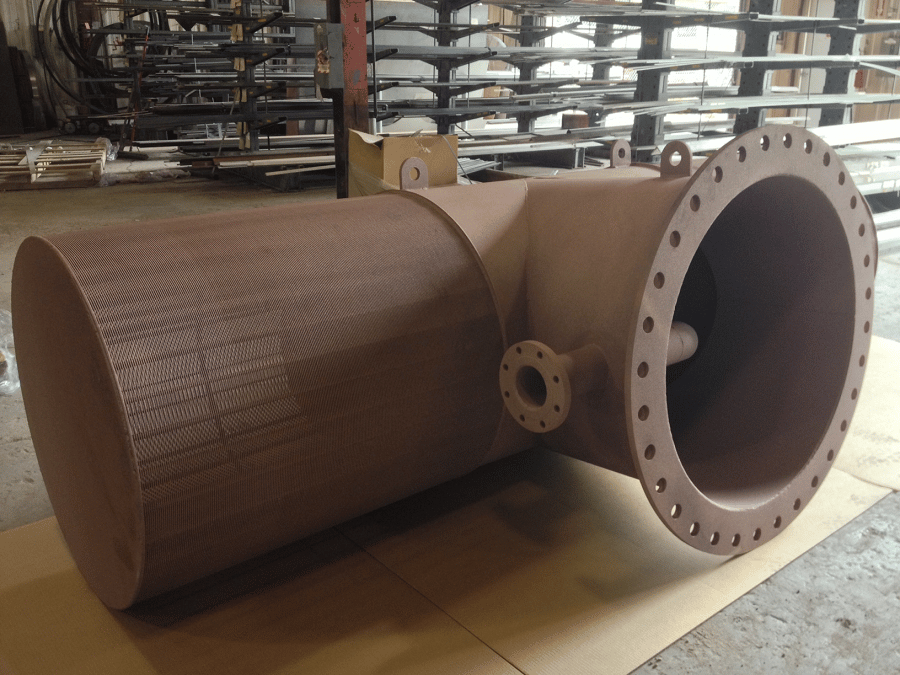
Intake screens are the first line of defense for your municipal, industrial, irrigation, or hydro intake. These unsung heroes keep fish safe and protect your pumps and turbines from harmful debris.
Our intake solutions are designed to deliver water to your system in a way that is both efficient and environmentally safe.
WITH OFFICES AND JOINT VENTURES WORLDWIDE, ELGIN IS READY TO FIND THE PERFECT SOLUTION FOR YOUR OPERATIONAL NEEDS
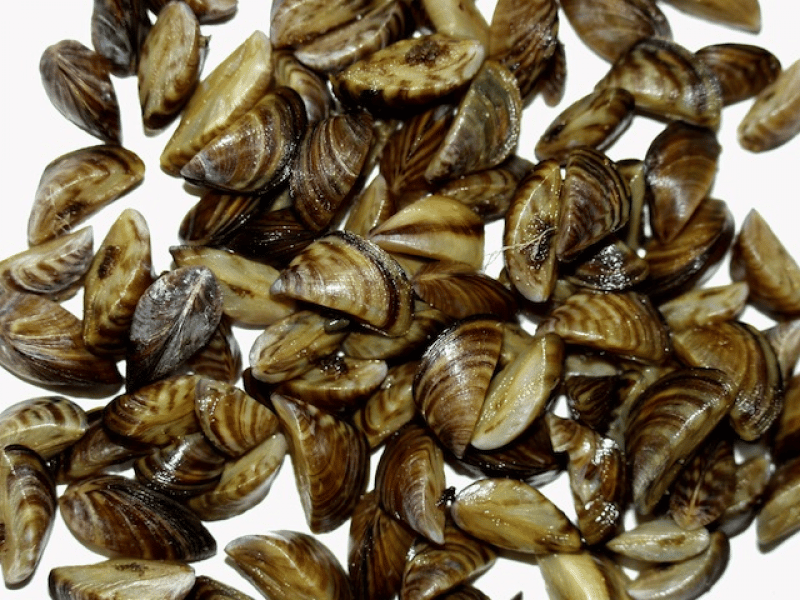
For decades,copper nickel has proven to resistcorrosion and zebra/quagga mussel fouling. This alloy retains the effectiveness of copper without leading into your water source.
Elgin offers both a copper nickel coating and copper nickel construction. Our patented coating process utilizes copper nickel alloy and applies it to a robust substrate. This results in a muchstronger, lighter, and more cost-effective solution.
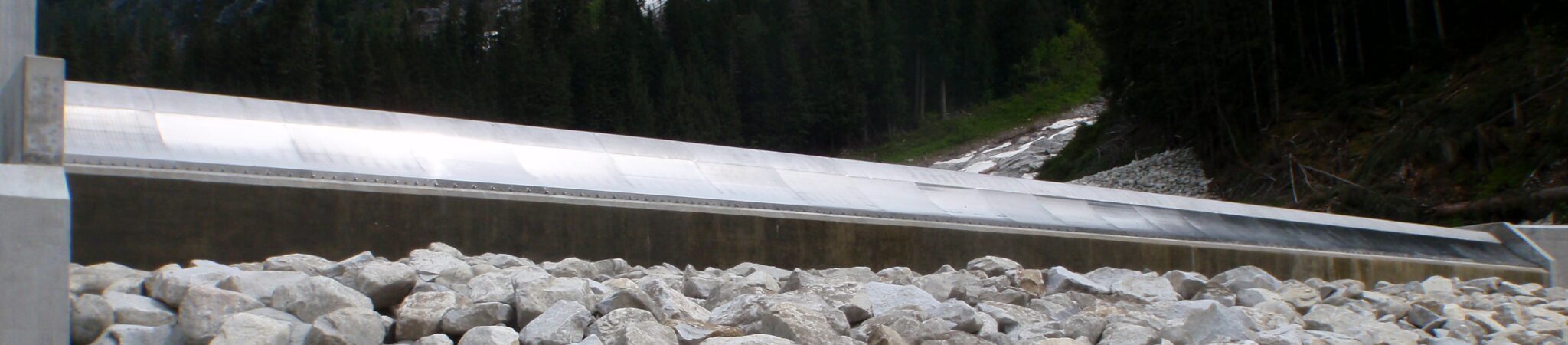
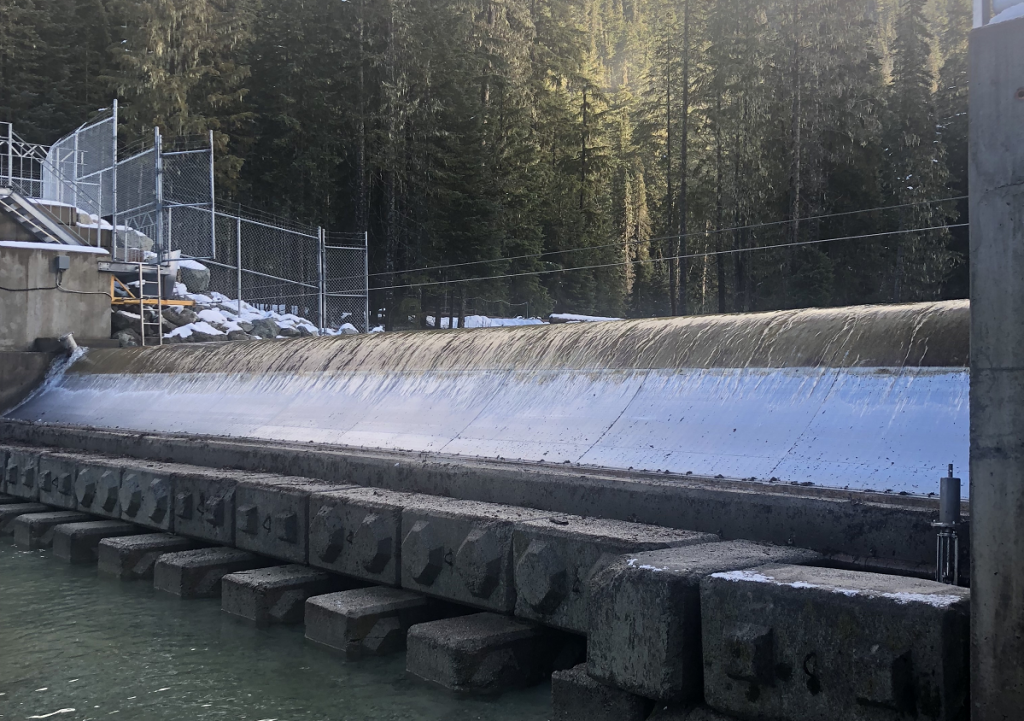
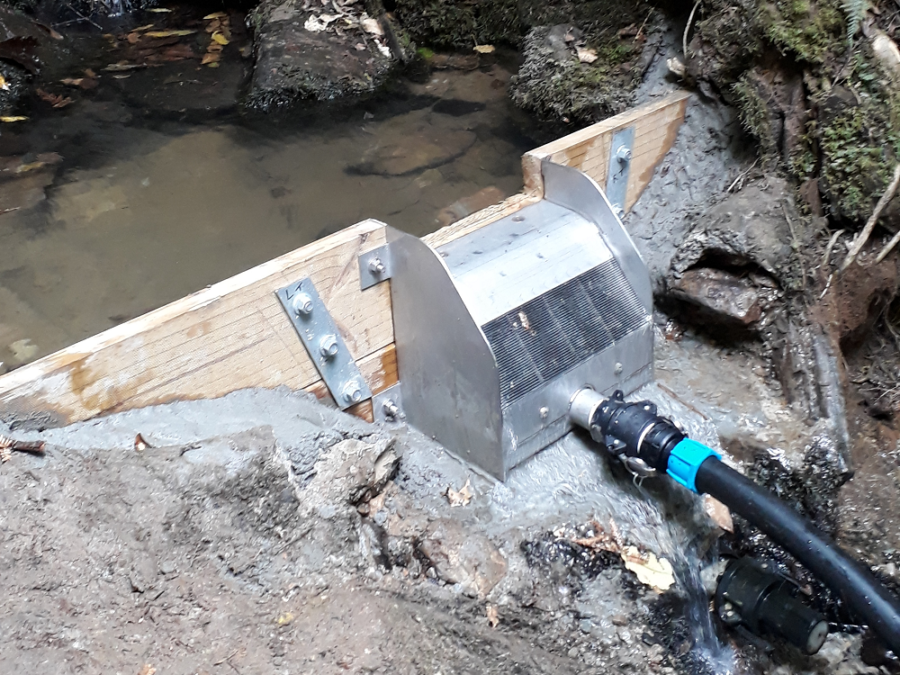
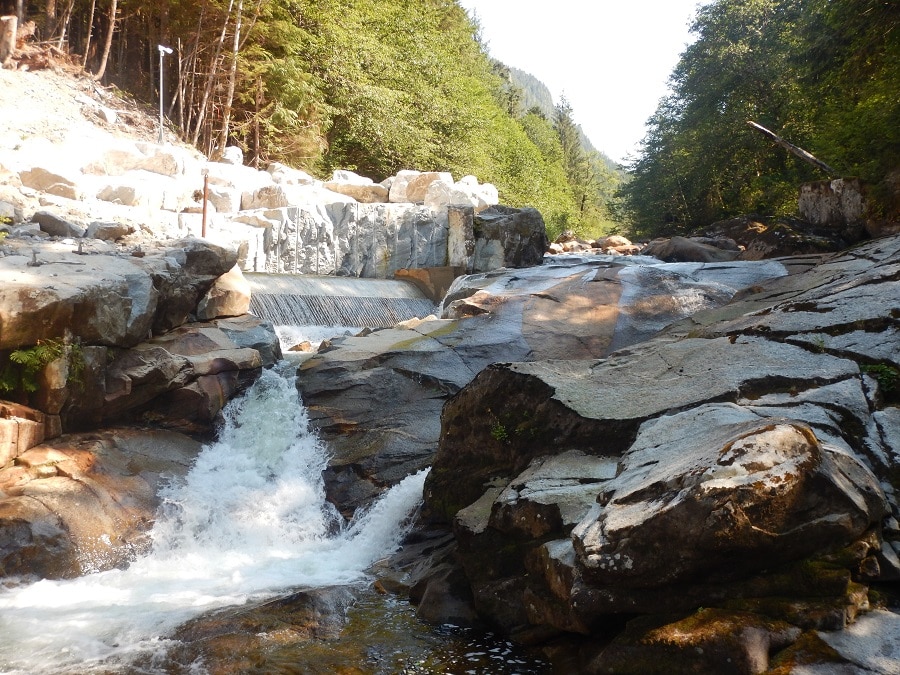
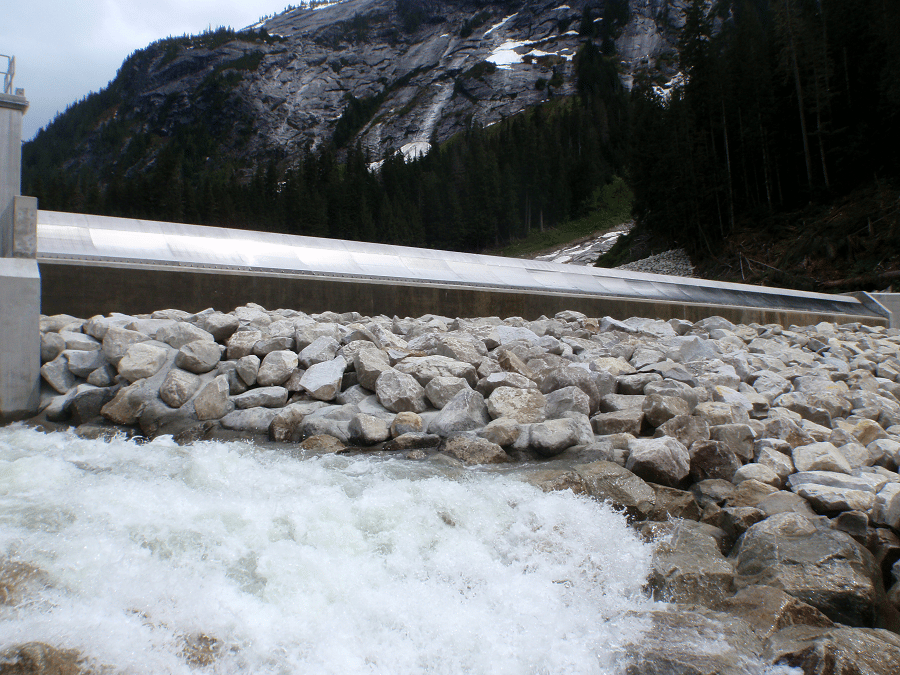
Run-of-river refers to a water capture method that involves little or no water storage. Most commonly found in high elevations, these intake systems are attractive for theirminimal environmental impactand low civil installation costs.
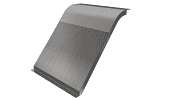
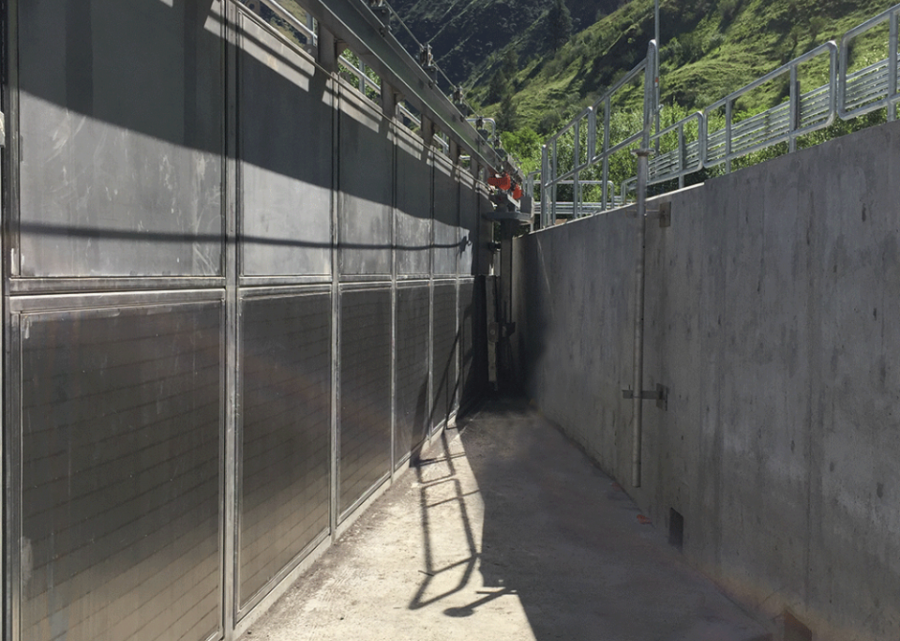
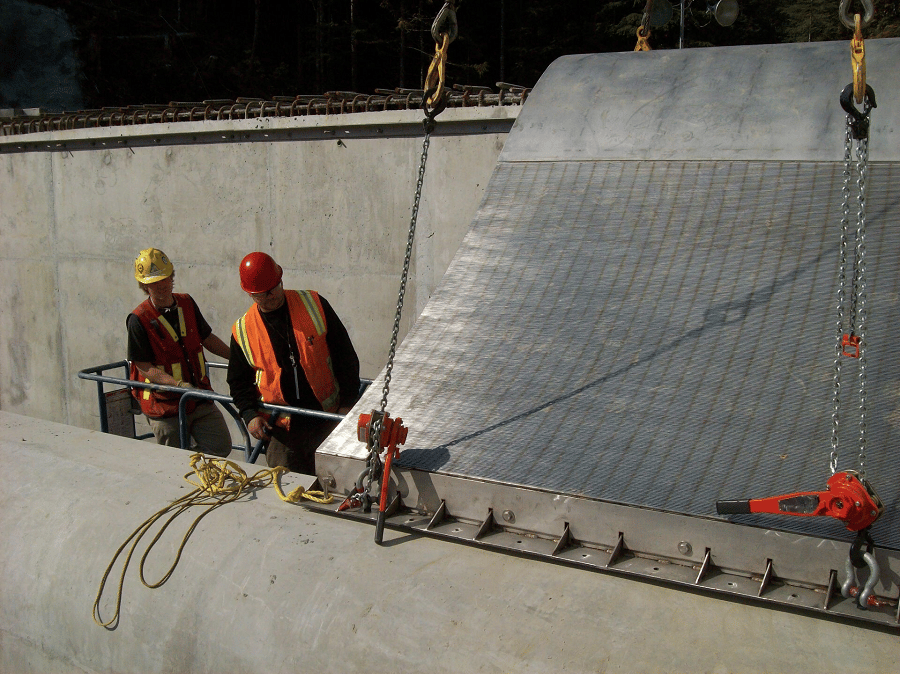
A passive run-of-river intake typically includes a small dam and corresponding head pond – a perfect fit for Elgin’s Coanda screen. When water depths are consistently deeper, a side intake gallery can beutilized to further simplify the intake.
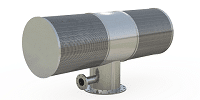
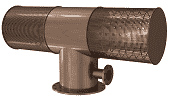
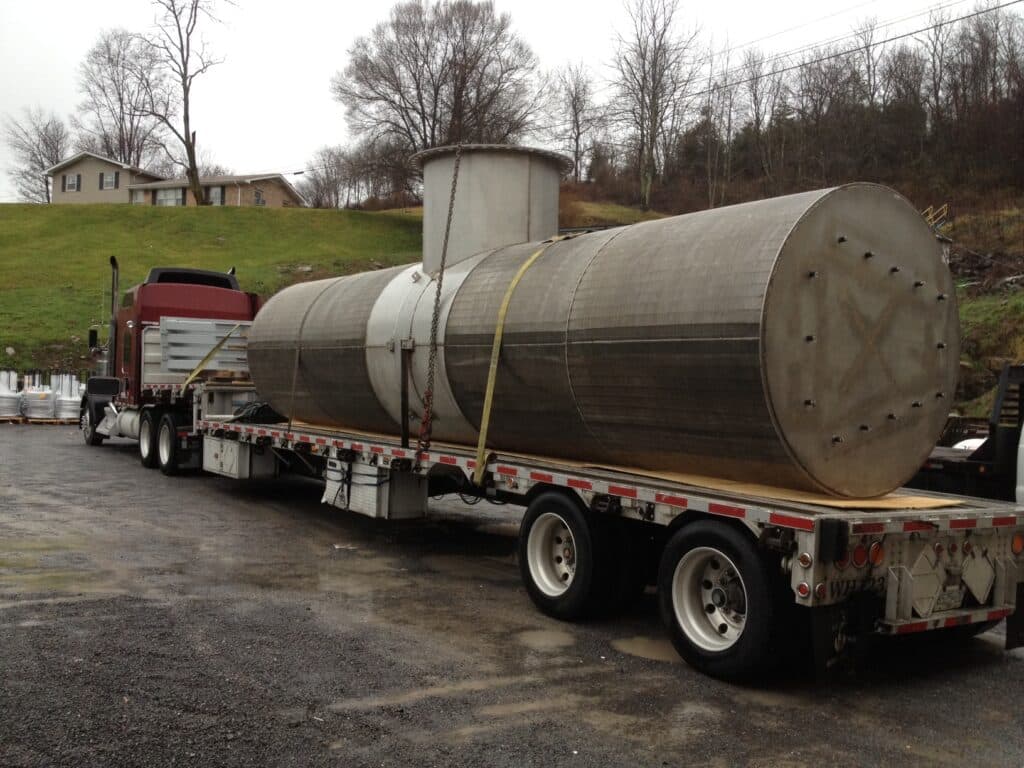
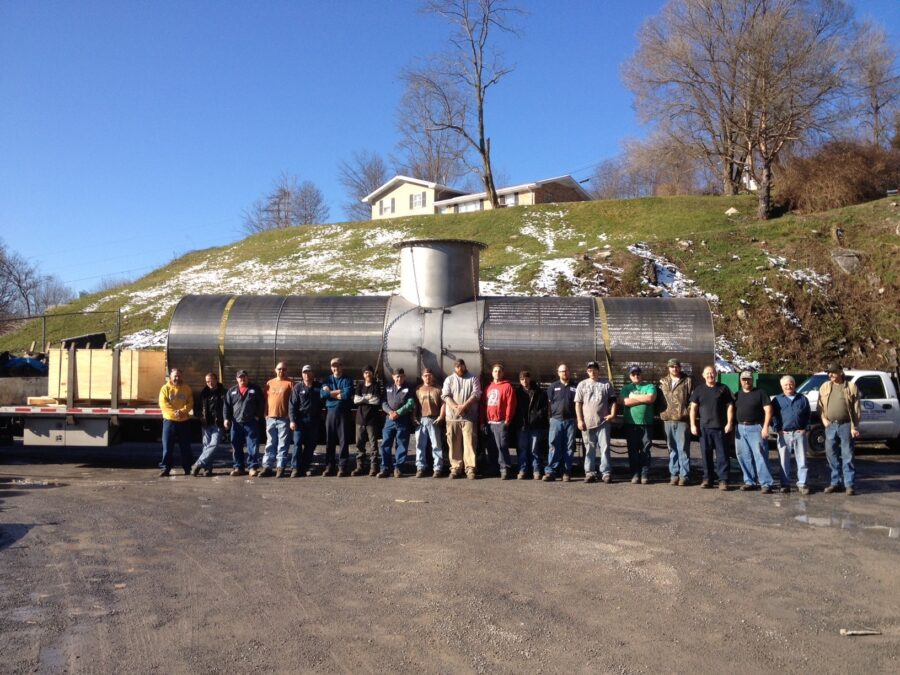
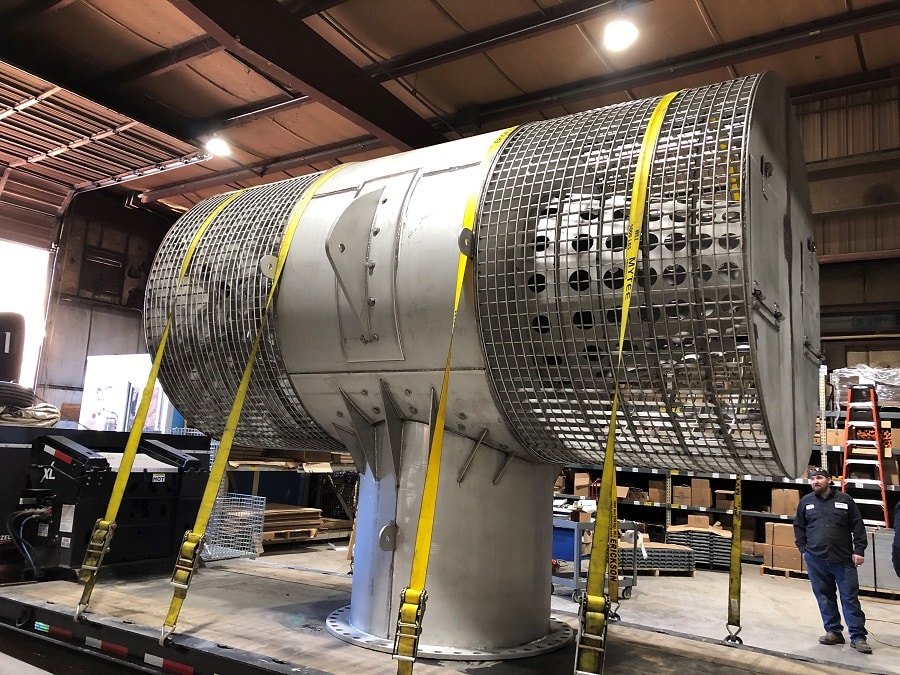
Submerged cylindrical screens are popular for large intake capacities. Elgin’s offerings are considered “passive,” meaning they do not have moving parts under water. The screen elements in the water source use screen area to spread out the suction from the pumps, therebyminimizing clogging and impact to the surrounding environment.
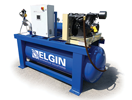
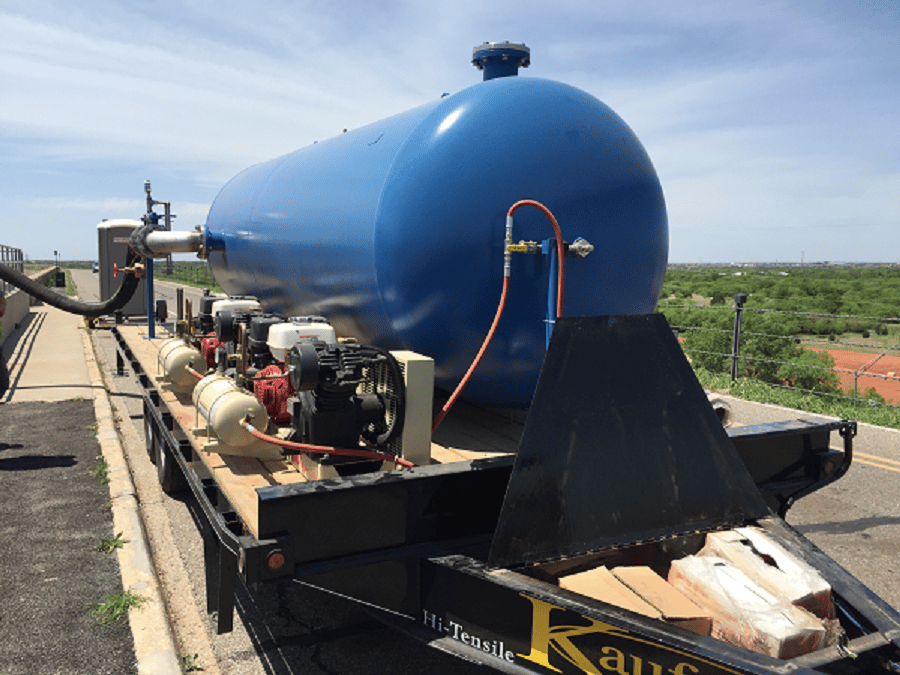
The most common arrangement is a cylindrical screen with acompressed air cleaning system. When compressed air systems are not feasible, and oversized screen can minimize clogging. Elgin offers a variety cylindrical screen arrangements to meet your needs.